Guide LXXX — Collections — Wellness
Japan Wellness Retreats: Onsen Country, Done Privately
Japan invented the wellness week before anyone called it that. Where to take an onsen retreat, what a private-bath ryokan or staffed house costs, and the months that reward the trip.
The oldest wellness tradition in travel
Long before wellness travel became a category, Japan had toji — the practice of taking a cure at a hot spring, staying long enough for it to work. The modern version is gentler and shorter, but the architecture of it survives: a ryokan or private house built around mineral water, two meals a day cooked from what is in season nearby, and a schedule with almost nothing in it.
What makes Japan different from Bali or the Maldives is that the wellness is not a programme sold to you. There is no assessment on arrival and no timetable. The bath is hot, the food is light and precise, the walking is good, and the week works on you without being announced. For travellers who have done the spa circuit and found it effortful, this is the antidote.
Where to take the week
Hakone — ninety minutes from Tokyo
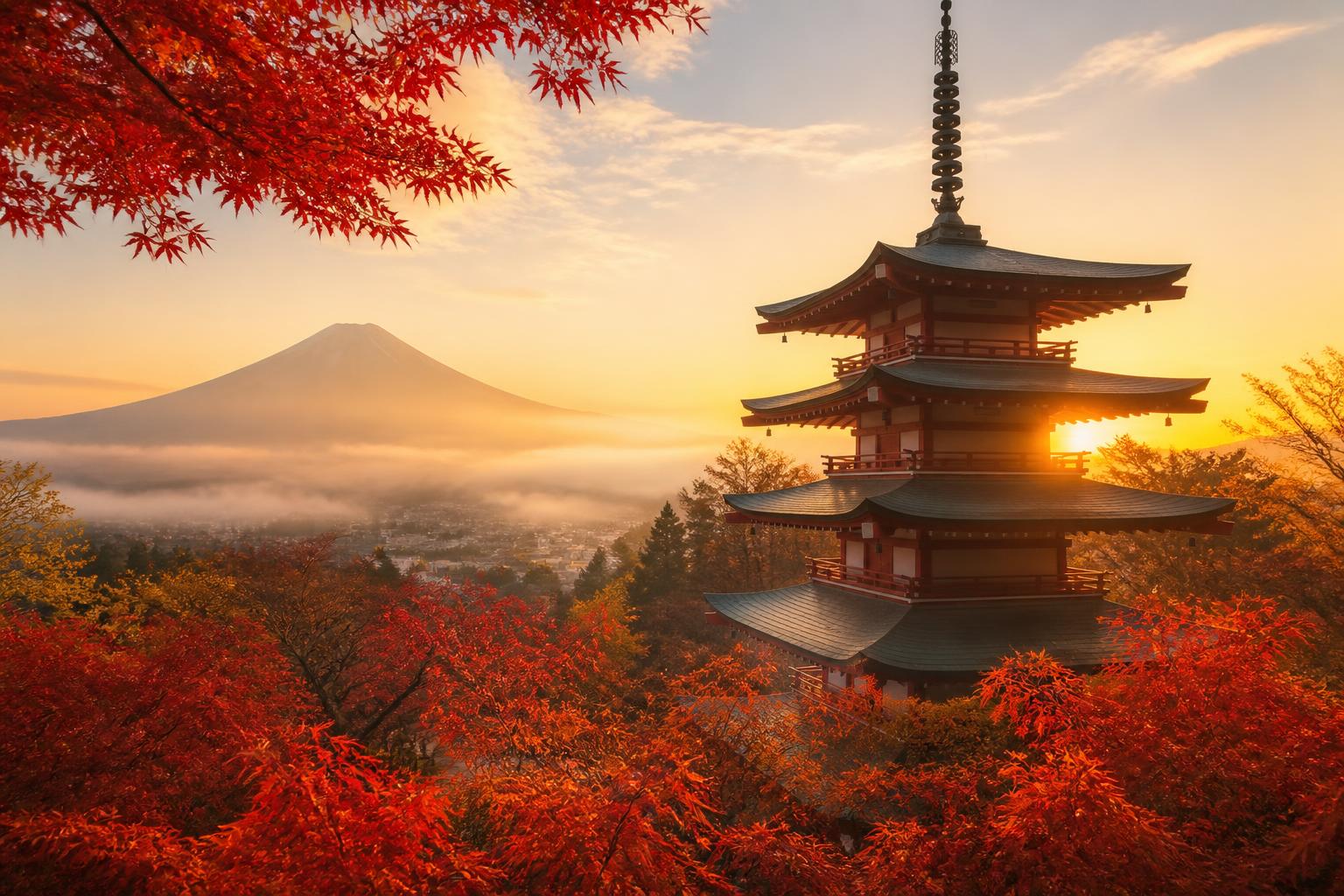
The easiest first onsen and the best Fuji views in the country on a clear winter morning. Best as two nights bolted onto a Tokyo week.
Kaga and Kanazawa — the connoisseur's choice
Yamanaka and Yamashiro onsen sit twenty minutes from Kanazawa's crafts and food. Quieter than Hakone, better value, and the strongest culture-plus-bath combination in Japan.
Hokkaido — Noboribetsu and Niseko
Volcanic water, deep snow and long walks. The winter version: ski or snowshoe by day, bathe outdoors at night in falling snow.
Kyushu — Yufuin and Beppu
The most geologically dramatic hot-spring country in Japan, mild in winter and good for a longer, slower stay.
- Book a room with a private open-air bath (rotenburo) — it solves tattoo rules and gives you the water at 2am.
- Two nights per onsen town, then move; three in one valley is a night too many for most people.
- Ryokan dinner starts around six, so finish sightseeing by five and plan nothing afterwards.
- Ask about a kaiseki menu adjusted for diet or allergies at booking, not on arrival.
- Pair one onsen town with one city — Kanazawa or Kyoto — so the week has texture as well as rest.
What it costs
Ryokan rates are quoted per person and include dinner and breakfast, which makes them look higher than hotel rates until you account for the meals. Private houses with their own hot-spring baths are rarer and priced for the house.
Bands below are indicative per night, ryokan rates for two guests on half board.
| Season | Ryokan suite (2 guests, half board) | Private-bath villa | Flagship house |
|---|---|---|---|
| Autumn colour (November) | USD 1,100 – 2,400 | USD 1,400 – 2,800 | USD 3,000 – 5,000 |
| New Year and Golden Week | USD 1,200 – 2,600 | USD 1,600 – 3,200 | USD 3,400 – 5,500 |
| Deep winter (Jan–Feb) | USD 700 – 1,500 | USD 900 – 1,800 | USD 2,000 – 3,500 |
| Summer and September | USD 750 – 1,600 | USD 1,000 – 1,900 | USD 2,100 – 3,600 |
Frequently asked questions
- What is a Japanese onsen retreat?
- A stay built around natural hot-spring bathing — usually a ryokan or private house with indoor and open-air baths, two seasonal meals a day and a deliberately empty schedule. It is Japan's traditional form of the wellness retreat.
- Where are the best wellness retreats in Japan?
- Hakone for ease from Tokyo, Kaga onsen near Kanazawa for culture and value, Hokkaido for snow and volcanic water, and Yufuin or Beppu in Kyushu for the most dramatic hot-spring landscape.
- How much does a luxury onsen stay in Japan cost?
- Indicatively USD 700 to 1,500 per night for two guests with dinner and breakfast in deep winter, rising to USD 1,100 to 2,600 in November and at New Year. Private houses with their own baths run USD 900 to 5,000 depending on size and season.
- When is the best time for a wellness trip to Japan?
- Late October to February. Autumn colour peaks in November, and January and February give snow, the clearest air and the lowest rates — the classic time to bathe outdoors.
- Can you use an onsen if you have tattoos?
- Many communal baths still refuse tattooed guests, but a room with a private open-air bath removes the issue entirely and is standard at the top of the market. Ask for a rotenburo-attached room when booking.
- How long should a Japan wellness trip be?
- Seven to ten nights: two nights in each of two onsen towns, with a city — Kanazawa, Kyoto or Tokyo — either side. Two nights per valley is the rhythm that works.
Editorial note & limitations
Rates and seasonal conditions are indicative planning figures assembled from official tourism, meteorological and wellness-market research in September 2026, not quotations. iLuxuryTravels does not yet hold live inventory in Japan; these guides are editorial and will connect to the Collection as houses join.