
Essay — On Timing
The shoulder season argument nobody in the industry wants to make
Peak weeks are the worst product the luxury villa market sells, and the only one it markets. The case for late May, late September and the second week of January.
An argument against the fortnight everyone books, written by people whose partner inventory would rather we didn't.
Peak weeks are a scheduling artefact
The first two weeks of August and the week between Christmas and New Year are not the best weeks to be in the Mediterranean or the Alps. They are the weeks that European school calendars and corporate shutdowns permit. Everything that follows — the rates, the crowds, the two-week minimums, the six-month lead times — is downstream of a scheduling constraint, not of anything about the destination itself.
What that constraint produces is remarkable. Rates in the tightest markets run two to three times their shoulder equivalents. Restaurants that are pleasant in June become theatres of queueing. The coastal road that takes twenty minutes in May takes an hour. You pay the highest price of the year for the most compromised version of the place.
“You pay the highest price of the year for the most compromised version of the place.”
The weeks that actually work
In the Mediterranean the honest answer is the last ten days of May and the second half of September. The sea in September is warmer than in June, everything is open, staff are still in place, and rates have already stepped down a band. Late May gives you empty beaches and full restaurants at close to the same discount, with the one trade-off that the water is bracing.
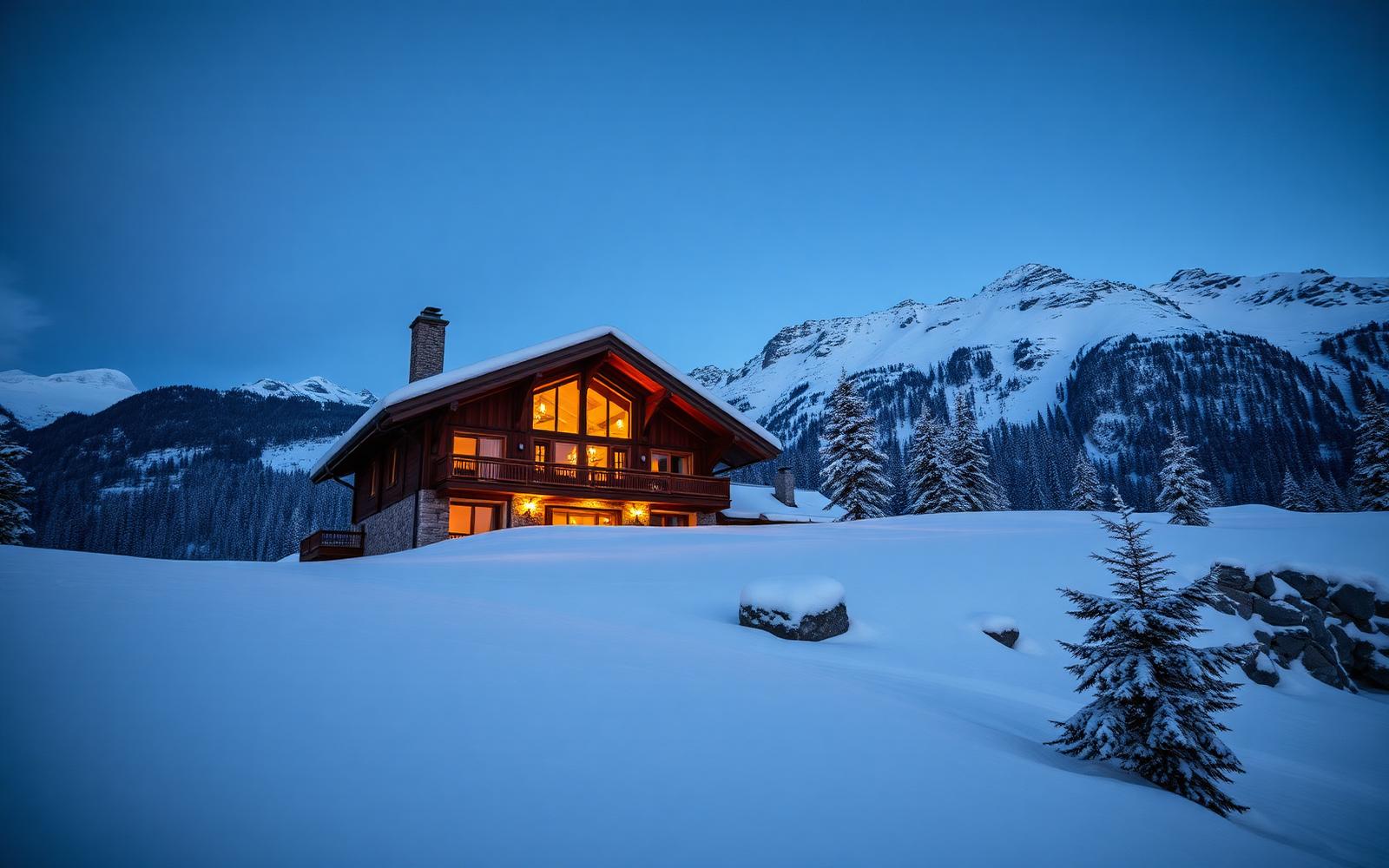
In the Alps the equivalent windows are the second and third weeks of January and the middle of March. January is the least crowded good snow of the season and frequently the best-value chalet week on the calendar. March gives you long daylight, spring conditions and terraces, at a fraction of February half-term.
In the Caribbean it is the first half of December and the last week of April — either side of the wall of high season, with the same weather and none of the rate.
Why the industry stays quiet about it
Nobody in this business is lying to you about peak season. They simply have no reason to bring it up. A villa owner's year is made in eight weeks; an agency's commission is proportional to the rate. There is no commercial incentive anywhere in the chain to tell a guest that the same house, nineteen days later, is forty per cent cheaper and considerably more pleasant.
We are not above that incentive either — our partner links pay us on the same basis. We publish the shoulder argument anyway, because a guide that only tells you the expensive answer is not a guide, it is a rate card with adjectives.
“A guide that only tells you the expensive answer is not a guide. It is a rate card with adjectives.”
The one case for peak
There is a real one, and it is worth stating plainly. If you are travelling with school-age children, the calendar is not negotiable and the entire argument above is academic. If the point of the trip is the season itself — the Monaco Grand Prix, the Christmas markets, New Year on a particular harbour — then the crowd is the event and paying for it is rational.
Everyone else is paying peak rates out of habit. The single highest-return decision in luxury travel planning is moving your fortnight by two weeks, and it costs nothing to consider.
About the writing
iLuxuryTravels is written and edited in-house. Every rate, season and transfer time we publish is checked against partner inventory and named public sources, and revisited when the market moves.
How we research and correct