
Essay — On Where Next
The end of the bucket list
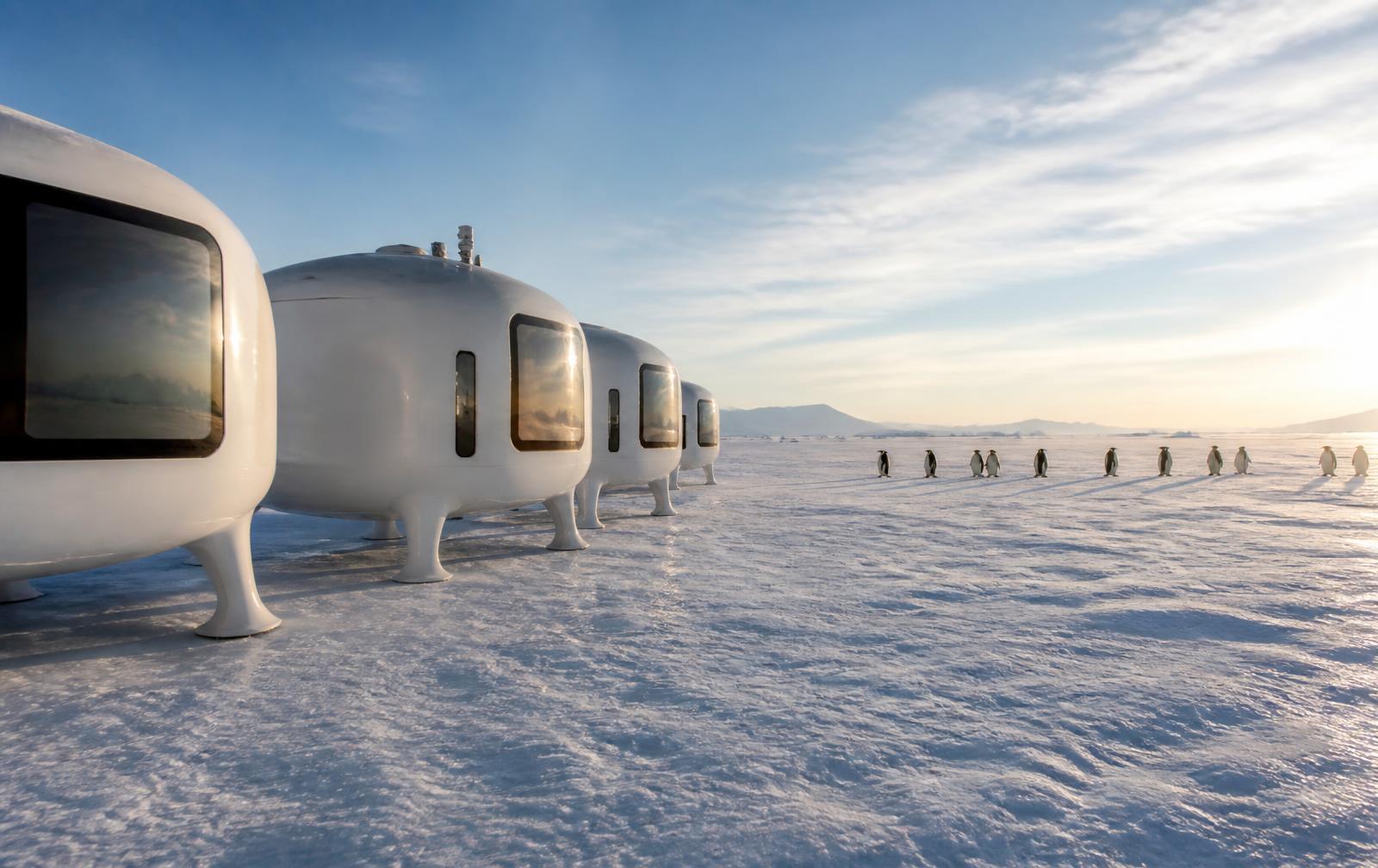
The expedition end of the market has stopped selling firsts and started selling scarcity of access. What that means for where the money goes next.
The most interesting movement in the market is at the far end of it, where the product is a permit rather than a room.
Firsts have run out
For thirty years the top of the travel market sold novelty: places most people had not been, arranged for people who had been everywhere else. That well is largely dry. The photographs exist, the routes are established, and the social return on having been somewhere remote has collapsed roughly in line with how easy it became to see it on a screen.
What has replaced it is access. Not the destination but the permission — the tracking permit, the closed site, the researcher who will actually explain what you are looking at. The product is a door, and the scarcity is regulatory rather than geographic.
“The product is no longer the place. It is the door, and the scarcity is regulatory rather than geographic.”
Why permits price better than beds
A lodge can add rooms. A country issuing a fixed number of gorilla or tiger or high-latitude landing permits cannot, and does not want to. Capped supply against rising wealth produces exactly the price behaviour you would expect, and it is the clearest inflation anywhere in leisure travel.
It also produces better travel, which is the unusual part. Caps fund conservation, keep sites intact and keep guide quality high, because the operators competing for a scarce permit compete on expertise rather than on marble.
Expertise as the amenity
At the expedition end the differentiator has become who is on board. A glaciologist, an ornithologist, an archaeologist who has worked the site — these now sell cabins in a way that a larger suite does not. The same logic is arriving in the villa market more slowly: the house with a manager who genuinely knows the coast outperforms the larger house next door.
It is the same instinct we keep finding in the rate data. What people pay a premium for, once the obvious comforts are met, is somebody who has already done the thinking.
“Once the obvious comforts are met, what people pay a premium for is somebody who has already done the thinking.”
Where it goes next
Our expectation, stated so it can be judged later: continued double-digit price growth on permitted wildlife and polar access, a widening gap between guided and unguided products at the same nominal luxury level, and a slow migration of the same logic into the villa market — houses sold on who runs them rather than on how many bedrooms they hold.
If that is right, the rate table of the future has a column for the people, not just the property. We have already started keeping one.
About the writing
iLuxuryTravels is written and edited in-house. Every rate, season and transfer time we publish is checked against partner inventory and named public sources, and revisited when the market moves.
How we research and correct