
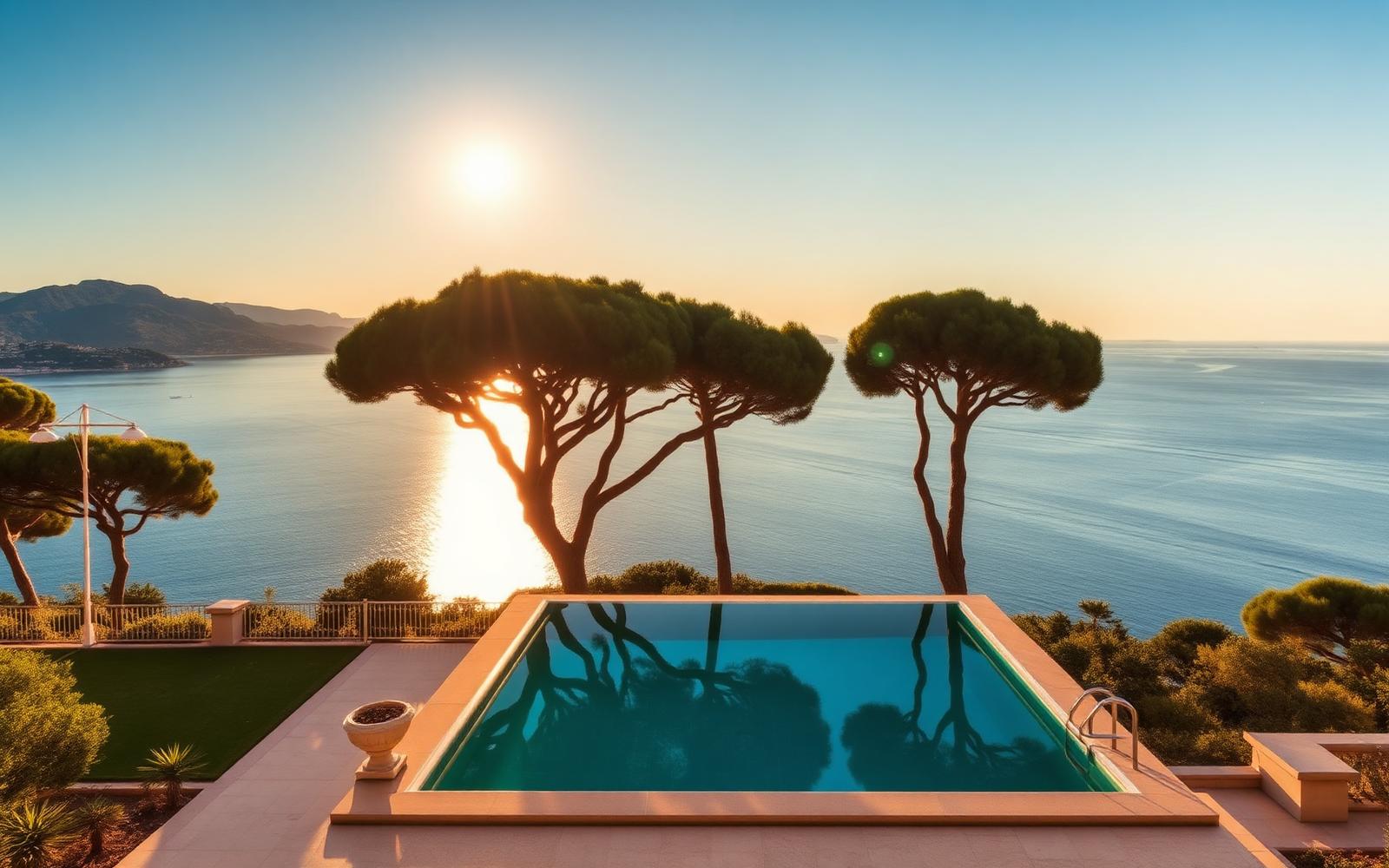
Guide CLXVIII — Europe — Calendar
Best Time to Visit the Mediterranean: A Month-by-Month Calendar
The sea warms in June and stays warm until October — which is why the two best months of the Mediterranean year are not the two most expensive ones.
Book a stay in Mediterranean
Set your dates to see what the week costs — our own houses first, then live rates with our booking partners for this destination.
Our houses in Mediterranean
Positano, Italy
$3,650 / night
San Juan, Ibiza
$3,400 / night
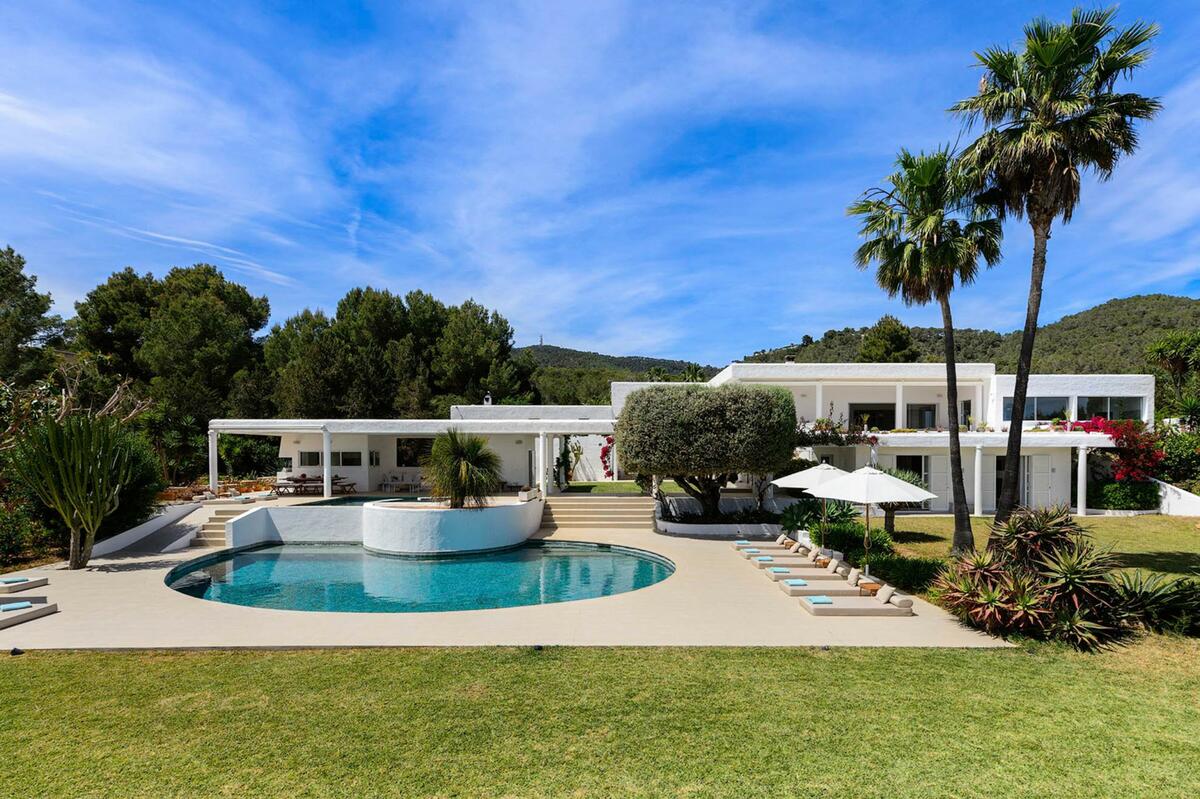
Es Cubells, Ibiza
$2,970 / night



Hotels and other rentals
Partner rates are indicative and confirmed at checkout. Some links are affiliate links.
The short version
The Mediterranean sea lags the air by about two months: it is cold in May whatever the thermometer says on land, warm from late June, and at its warmest in late August and early September. That single fact explains the calendar. June gives you warm water and empty restaurants; September gives you the warmest sea of the year with the August crowds gone. August gives you everything at once, at the highest prices in Europe.
The Mediterranean month by month
| Month | Weather | Sea | Crowds | Rate character |
|---|---|---|---|---|
| January | Cool and wet; many island hotels closed | Cold | None | Lowest |
| February | Cool, bright spells; almond blossom | Cold | None | Lowest |
| March | Mild, green, changeable | Cold | Low | Low |
| April | Warm afternoons, wildflowers, Easter spike | Still cold | Low to moderate | Low |
| May | Warm and beautiful on land | Cool — swimmable for the hardy | Moderate | Shoulder |
| June | Hot, dry, long evenings | Warm from mid-month | Busy, not crowded | Shoulder to high — the best value month |
| July | Very hot; meltemi winds in the Aegean | Warm | Peak | High |
| August | Hottest; everything full | Warmest | Peak | Peak — highest of the year |
| September | Hot, easing; the connoisseur's month | Warmest of the year early in the month | Easing fast | High easing to shoulder |
| October | Mild, golden; first rains late | Still swimmable early | Low | Shoulder to low |
| November | Cool and wet; islands close down | Cold | None | Lowest |
| December | Cool; cities and Christmas markets only | Cold | None, cities aside | Lowest, city peaks at New Year |
Booking windows that actually matter
- August on the Côte d'Azur, in Sardinia, Mykonos or Ibiza: book by January, usually on Saturday-to-Saturday terms.
- September: book by March; it is the fastest-growing month in the Mediterranean calendar.
- June: eight to twelve weeks is often enough, and the rate gap to August is the largest of the year.
- Aegean trips in July and August: check the meltemi forecast before you commit to island-hopping by boat.
- Confirm air conditioning and shade at any house you take in late July or August — heat, not rain, is the risk here.
Frequently asked questions
- What is the best month to visit the Mediterranean?
- September, closely followed by June. September has the warmest sea of the year, open kitchens and far fewer people than August; June has the same weather at the lowest summer rates.
- When is the Mediterranean sea warm enough to swim?
- From roughly mid-June to late October, peaking in late August and early September. May is pleasant on land but the water is still cold in most of the basin.
- What is the meltemi wind?
- A strong, dry north wind that blows across the Aegean mainly in July and August. It cools the islands and can disrupt ferries and small boats for days at a time.
- When is the cheapest time to visit the Mediterranean?
- November to March, when the coast and islands largely close. For a trip you would actually enjoy, late April to May and mid-October give the best combination of weather and low rates.
Editorial note & limitations
Rate character describes how prices behave in a month relative to the rest of the year, not a quotation. Houses in the Collection are priced live by the partner holding those dates; hotels and rentals are searched live through our booking partners. Weather and season dates are drawn from official climate and park sources, assembled September 2026.