
Guide LIX — Calendar — September
Best Places to Travel in September: The Connoisseur's Month
September is the answer to almost every Mediterranean question: the sea at its warmest, the crowds gone home, the harvest starting — and rates that fall by a third while the water holds its heat.
The month the locals take back
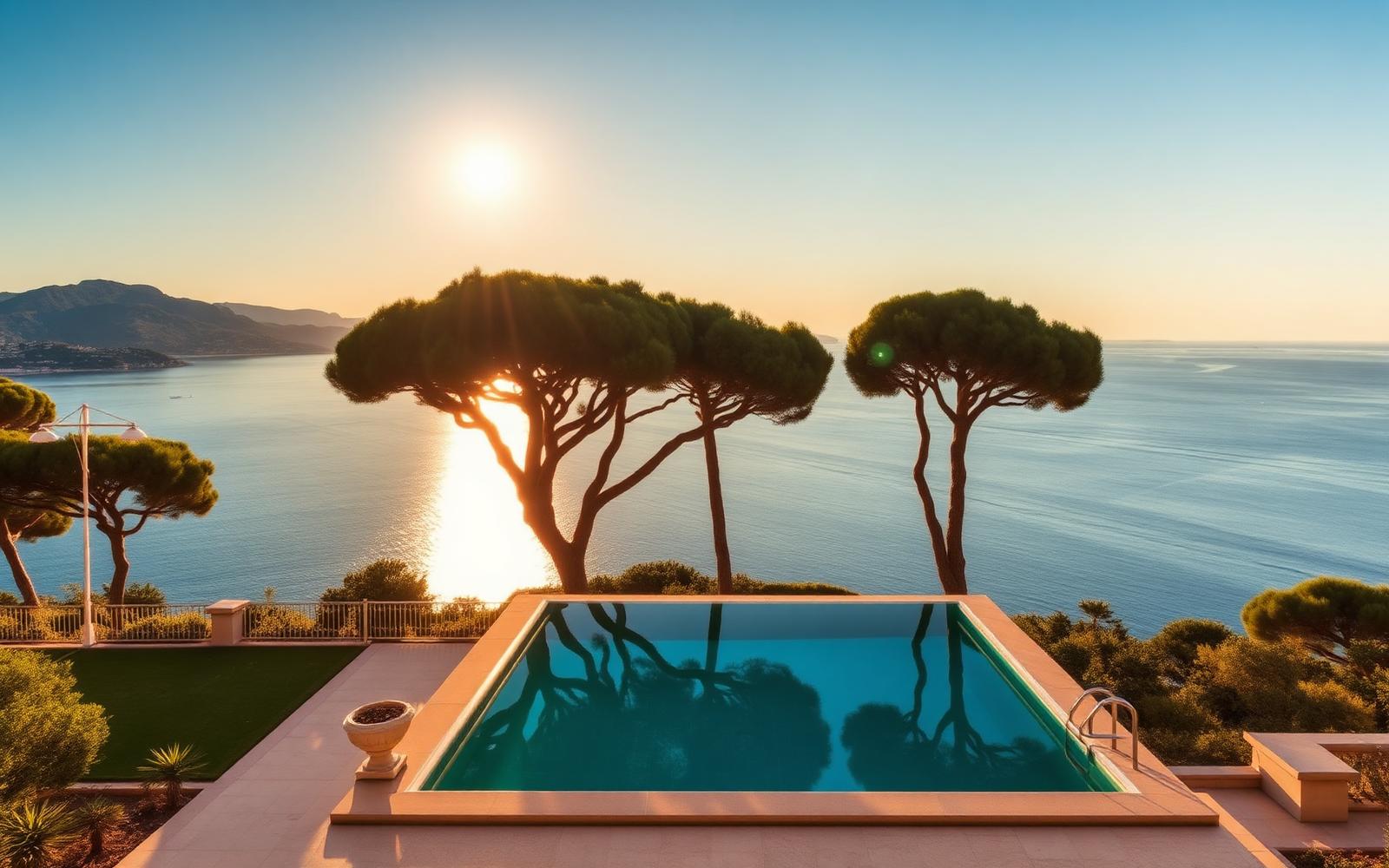
There is a moment in the first week of September — you can almost date it — when the Mediterranean changes hands. The school-holiday crowds fly home, the beaches empty, and the sea is at its warmest of the entire year, having absorbed the summer's heat. The restaurants stay open, the light goes golden, and the rates fall by a quarter to a third.
This is why every travel editor and every hotelier takes September. It is August's product at June's price, minus the crowds, plus the harvest. If you have the freedom to choose one month for the Mediterranean, this is the one.
Where September is at its best
| Destination | Why September | Crowds | Indicative nightly rate |
|---|---|---|---|
| Amalfi Coast | Warm sea, empty towns | Low–moderate | USD 1,100 – 3,800 |
| Douro Valley | The grape harvest itself | Low | USD 800 – 2,600 |
| Mykonos | The scene, civilised | Moderate early | USD 1,100 – 3,800 |
| Corsica | Warm water, walking weather | Low | USD 900 – 3,200 |
| Marrakech | The heat breaks, season reopens | Moderate | USD 700 – 2,400 |
| Bali | Dry season's best month | Moderate | USD 700 – 2,400 |
How to choose between them
For the perfect beach month
Anywhere in the Mediterranean, but the Amalfi Coast in September is the canonical answer — warm water, open restaurants, and a coast road you can actually drive.
For the harvest
The Douro in September is Europe's most under-appreciated luxury week: the vendange in full swing, the river valley gold, and quintas you can stay in among the vines.
For the scene without the crush
Mykonos in mid-September keeps its energy and loses its queues — the beach clubs are still loud, but there is space on the sand.
For long-haul
Bali's dry season peaks in September: low humidity, emptying beaches after the Australian winter exodus, and rates easing from the summer high.
The booking calendar
September's secret is out enough that the best houses for the first fortnight are committed by spring — but nothing like August's lockdown. Two to three months out is usually safe, and late September stays open latest of all. Harvest weeks in wine country are the exception: book those as early as you can.
Frequently asked questions
- Where is the best place to travel in September?
- The Mediterranean, almost without qualification: the sea is at its warmest of the year, the crowds have gone home, everything is still open, and rates fall 25–40% against August. The Amalfi Coast, Corsica and the Greek islands are the classic choices.
- Is September better than August for the Mediterranean?
- For most travellers, yes — same weather, warmer sea, far fewer crowds, lower rates. August wins only if the peak-season scene is specifically what you want.
- Is the sea warm in September?
- The warmest of the year: 24–26°C across most of the Mediterranean, having stored the summer's heat. September swimmers get a warmer sea than June swimmers.
- What is there to do beyond the beach in September?
- The harvest — the Douro, Tuscany and the Rhône all pick in September, and wine-country houses put you in the middle of it. Marrakech's season reopens as the heat breaks, and Bali is in its driest month.
Editorial note & limitations
Weather figures are long-run seasonal averages and rates are indicative planning figures assembled from resort-market research and connected partner inventory in September 2026, not quotations. School-holiday and festive weeks are quoted separately by the partner holding those dates.