Guide XLVI — Seasons — Seychelles
Best Time to Visit the Seychelles: North Island and the Inner Granitics
Two monsoons, no cyclones, and a shoulder season most visitors miss. When to take North Island and the granitic inner islands, month by month.
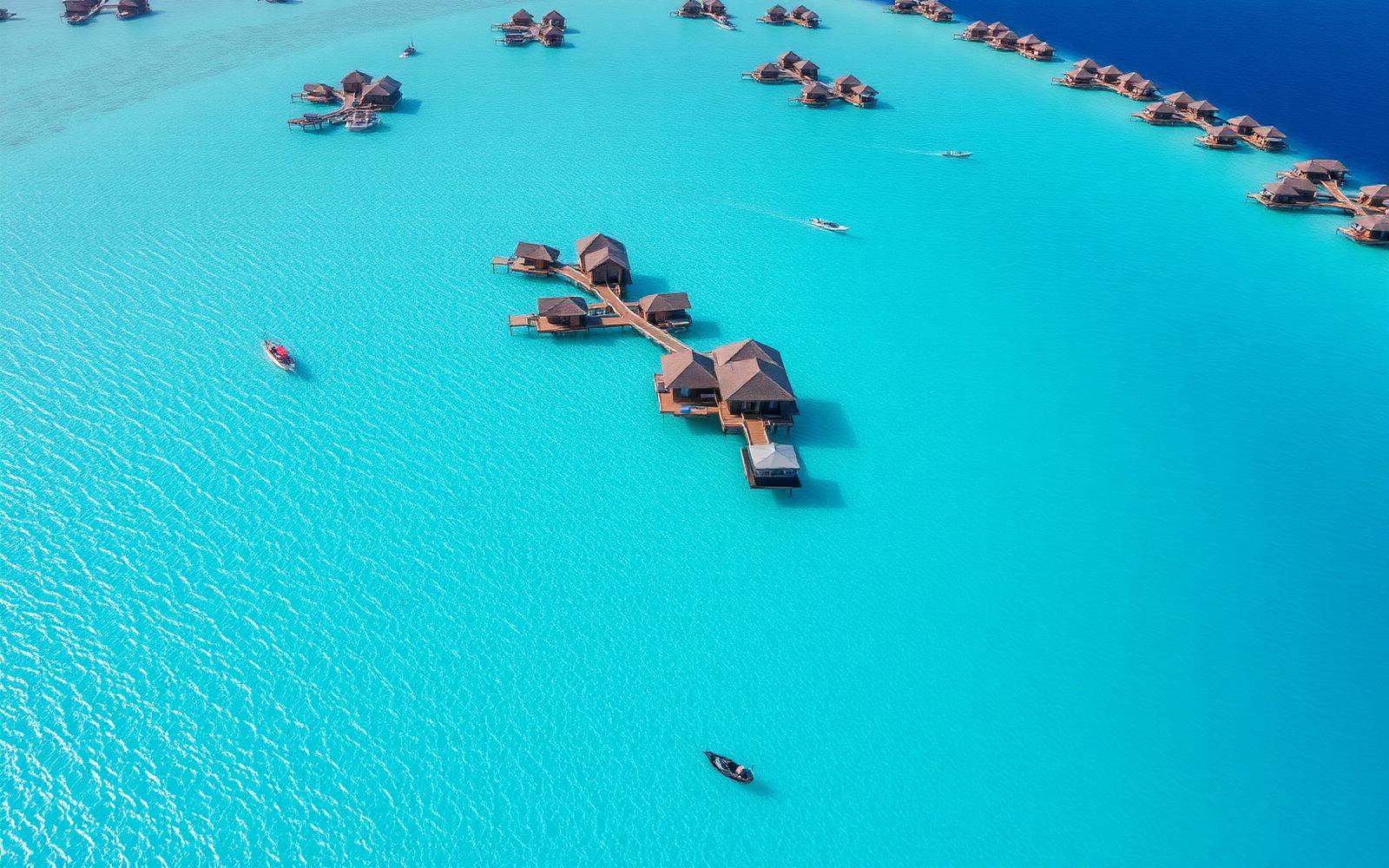
Photo: Illustrative image: aerial view of overwater villas on a turquoise lagoon.
TL;DR — the short version
In brief
Best time to visit the Seychelles: the northwest and southeast monsoon seasons explained, month-by-month sea conditions, seaweed, turtle nesting and indicative private-island rates.
What is the best month to visit the Seychelles?
April or October. Both sit between the two monsoons, with the lightest winds, the calmest sea and the best underwater visibility of the year.
Typical price band
Check live partner rates
Indicative only. Our booking partners confirm live rates and availability for your exact dates.
Listings
See every villa, hotel and rental in North Island, Seychelles — photographs, nightly rates and partner availability.
Book a stay in Seychelles
Choose dates for partner searches. Villa prices below are recorded samples; multiplying them by your selected nights is an estimate, not an exact-date quote.
Our villas in North Island, Seychelles
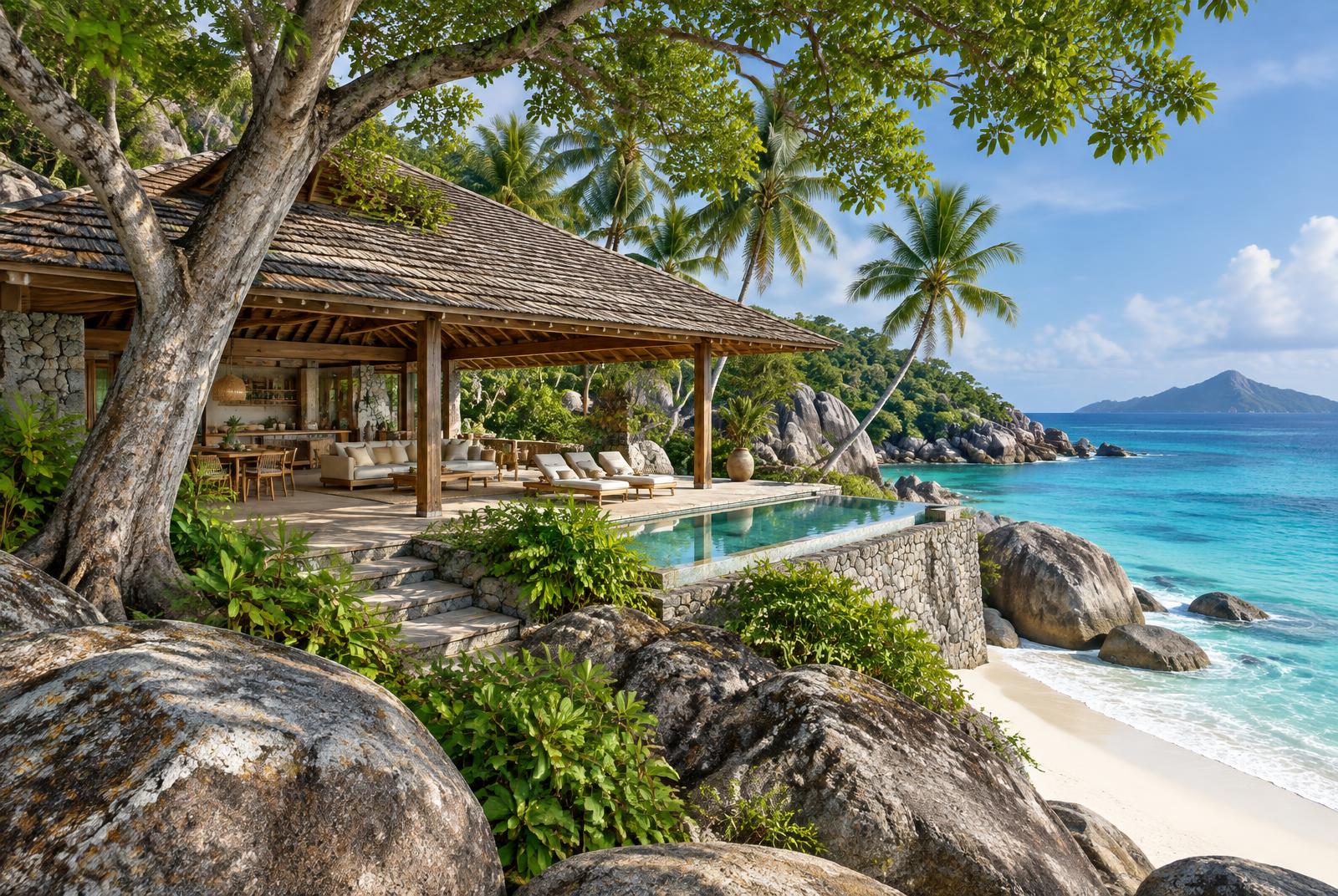
North Island, Seychelles
$12,500 / night · recorded sample
Review dates & partner booking termsPerks and service inclusions are not confirmed in our records. Check the exact accommodation, charges and cancellation terms with the booking partner before paying.
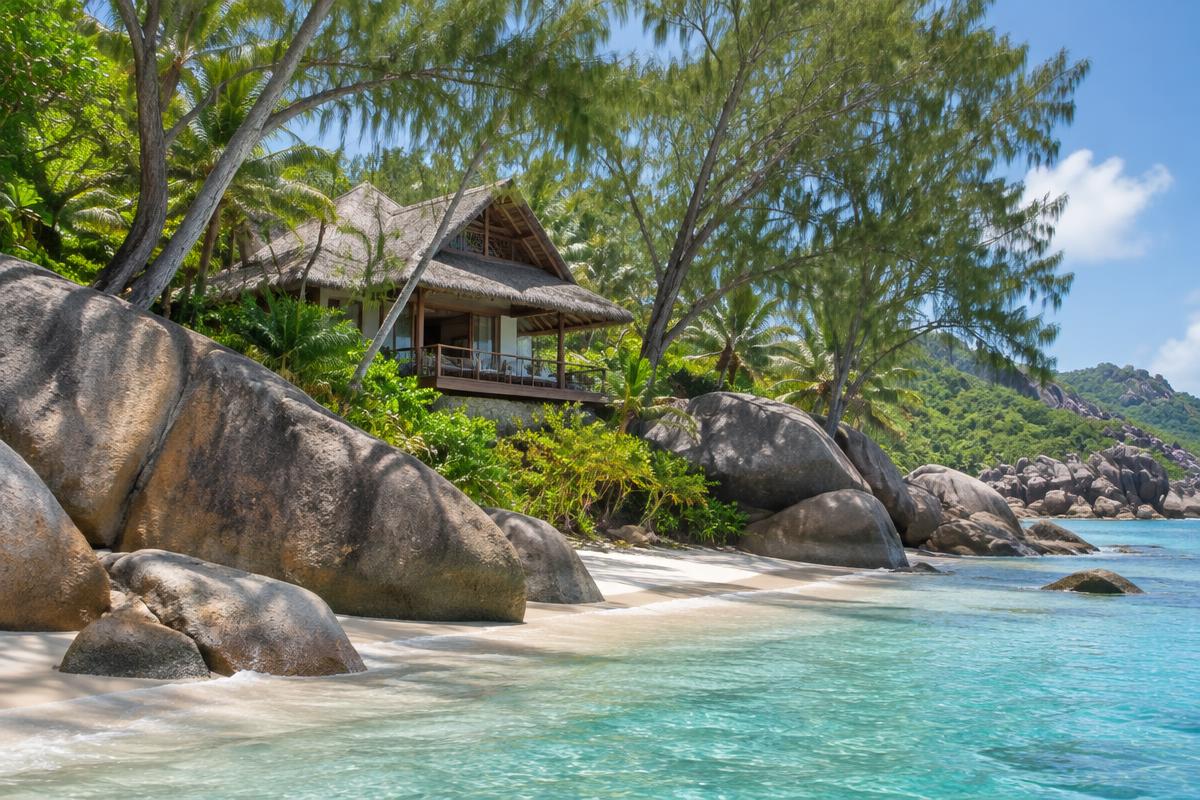
North Island, Seychelles
$8,600 / night · recorded sample
Review dates & partner booking termsPerks and service inclusions are not confirmed in our records. Check the exact accommodation, charges and cancellation terms with the booking partner before paying.
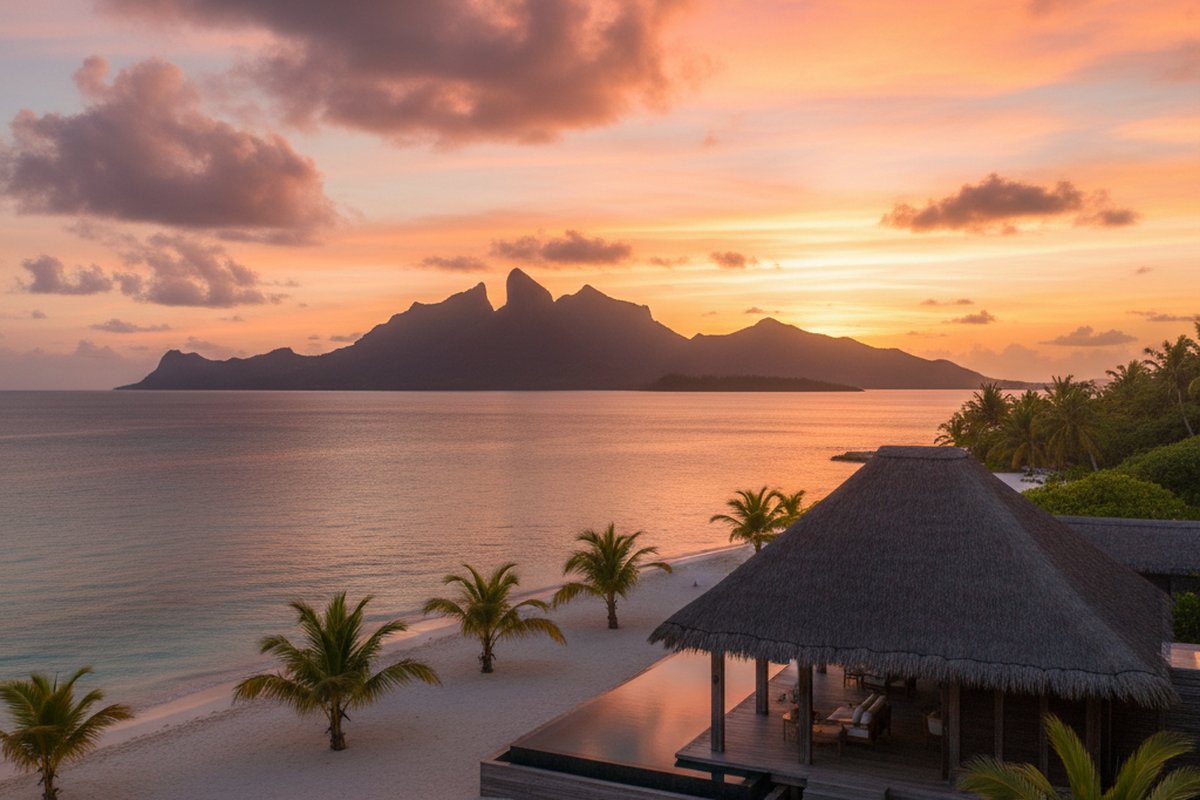
North Island, Seychelles
$6,400 / night · recorded sample
Review dates & partner booking termsPerks and service inclusions are not confirmed in our records. Check the exact accommodation, charges and cancellation terms with the booking partner before paying.
Hotels and other rentals
Partner rates are indicative and confirmed at checkout. Some links are affiliate links.
Two monsoons, and the two calm months between them
The Seychelles Meteorological Authority describes a northwest-monsoon period that peaks in January and weakens through March, with April marked as the official monsoon reversal — light, variable winds and some of the calmest sea conditions of the year — before the southeast trade winds become established in May. Conditions vary by island and coast.
April and October are the most commonly cited planning windows around the seasonal wind transitions, but calm water and underwater visibility still depend on the island, coast and daily forecast.
Month by month
Rates vary widely by property, season and party size, so we do not publish indicative price bands here; compare live partner rates for your dates.
What to weigh besides the weather
Seaweed
The southeast monsoon pushes sargassum onto windward, south- and southeast-facing beaches, most noticeably between June and September. Private islands rake daily; public beaches do not always.
Wildlife
Hawksbill turtles nest October to February and hatch through the wet season. Whale sharks pass in August to October.
Festive weeks
Christmas and New Year sell out earliest of anywhere in the Indian Ocean and are quoted on stand-alone minimums; confirm each resort's terms.
Frequently asked questions
- What is the best month to visit the Seychelles?
- April or October. Both sit between the two monsoons, with the lightest winds, the calmest sea and the best underwater visibility of the year.
- Does the Seychelles have a rainy season?
- Yes — the northwest monsoon from November to March brings the year's heaviest rain, usually as short intense showers rather than sustained bad weather. The islands sit outside the cyclone belt.
- When is the cheapest time to visit the Seychelles?
- June and the first half of July, and again in late January and early February after the festive period clears. Private-island rates in those windows are often below the December peak; compare live partner rates for your dates.
- Is North Island worth it?
- It is one of a handful of genuinely single-guest-group private islands in the Indian Ocean, with eleven villas and a rehabilitated ecosystem. It is priced accordingly, and it books furthest ahead of anything in the archipelago.
Editorial note & limitations
Weather figures are long-run seasonal averages and rates are indicative planning figures assembled from resort-market research and connected partner inventory in September 2026, not quotations. Festive weeks are quoted separately by the partner holding those dates.