
Guide XLV — Seasons — Bora Bora
Best Time to Visit Bora Bora: Month by Month, Season by Season
The dry season runs May to October and everyone knows it. The question worth answering is which of those months gives you the lagoon at its clearest for the least money.
Book a stay in Bora Bora
Set your dates to open live rates with our booking partners for this destination.
Partner rates are indicative and confirmed at checkout. Some links are affiliate links.
The two seasons, and what they actually feel like
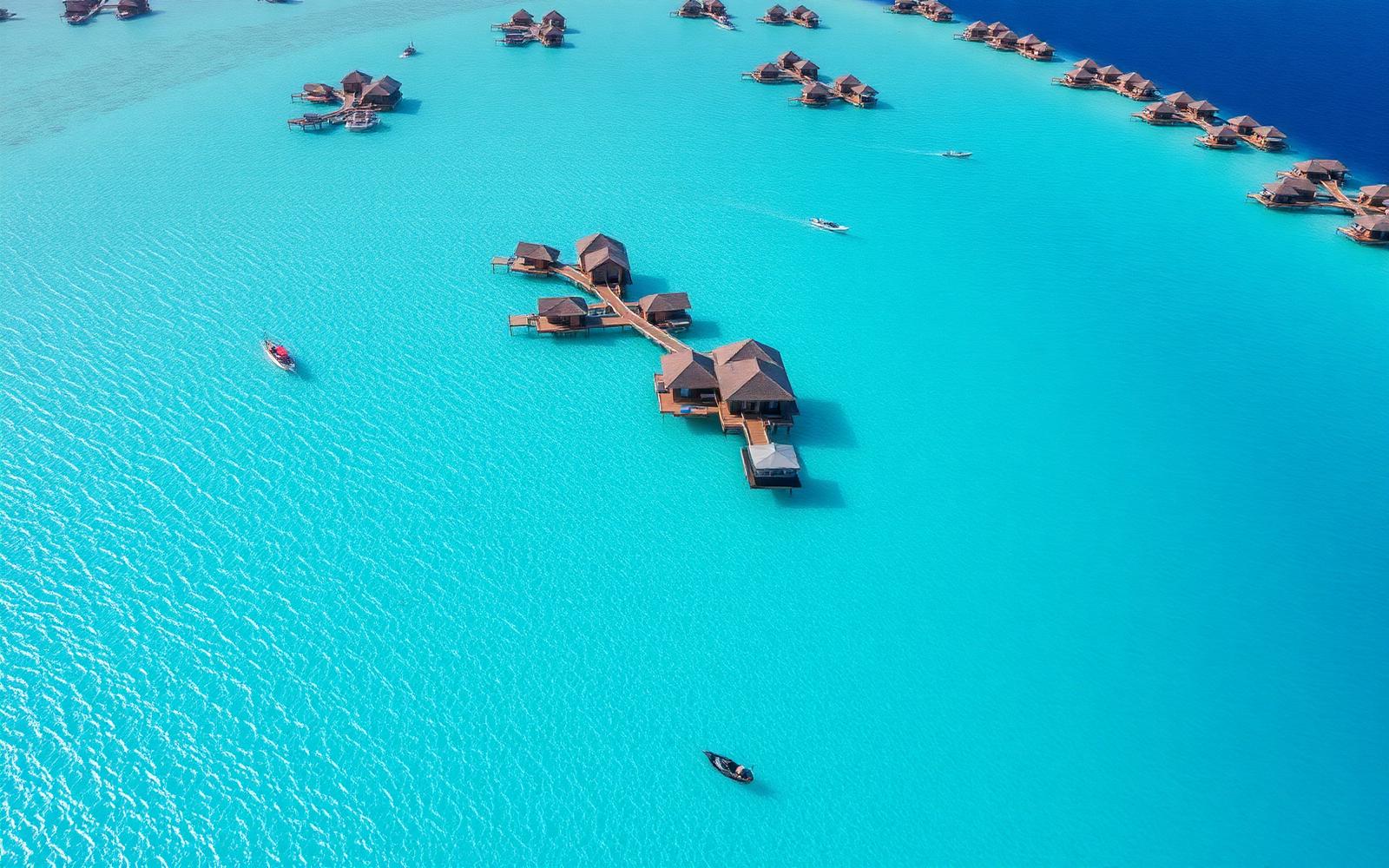
Bora Bora has a dry season from May to October and a wet season from November to April. The dry season brings the trade winds, humidity in the low sixties and a lagoon that reads almost artificially blue. The wet season is hotter, heavier, and punctuated by short afternoon downpours rather than washed-out days — but visibility in the lagoon drops and the islands green over.
The pricing does not map neatly onto the weather. July and August are the driest months and also the most expensive, because they coincide with the European and North American holidays. May, June, September and October give you nearly identical conditions at a materially lower rate.
Month by month
| Month | Conditions | Crowds | Indicative nightly rate |
|---|---|---|---|
| January–February | Hot, humid, heaviest rainfall | Low | USD 900 – 2,200 |
| March–April | Rain easing, water warmest | Low | USD 1,000 – 2,600 |
| May–June | Dry, clear, breezy — the value window | Moderate | USD 1,400 – 3,400 |
| July–August | Driest and coolest, peak demand | High | USD 2,200 – 6,500 |
| September–October | Dry, warm water, thinning crowds | Moderate | USD 1,500 – 3,600 |
| November–December | Humidity returns, festive spike late | Low then high | USD 1,100 – 5,800 |
What decides the trip beyond weather
Lagoon visibility
Clearest from June to September. If snorkelling, ray feeding or underwater photography is the point of the trip, that window matters more than the rainfall column.
Whale season
Humpbacks pass French Polynesia roughly August to October. It is the single strongest argument for September over July.
Heiva festival
July across the islands. Wonderful to witness, but it lifts both demand and internal flight pressure for the month.
Transfers
Every arrival routes through Papeete and then a 50-minute inter-island flight. Build a night either side of the international leg rather than connecting the same day.
Frequently asked questions
- What is the best month to visit Bora Bora?
- September. The lagoon is at its clearest, humpbacks are passing, the water is still warm from the wet season, and rates run roughly 30–45% below the July and August peak.
- What is the cheapest time to go to Bora Bora?
- January to March. Rates fall to their lowest of the year, but expect humidity, short heavy downpours and reduced lagoon visibility. Late April and early May is the better compromise between price and conditions.
- Is the rainy season a bad time to visit Bora Bora?
- Not automatically. Rain usually arrives as intense afternoon showers rather than all-day weather, and the islands are at their greenest. The real trade-off is underwater visibility and the chance of a cyclone-season disruption between December and March.
- How long should you stay in Bora Bora?
- Seven nights is the common shape: two travel-heavy days either end and five full days on the lagoon. Many guests pair it with three or four nights on Tahiti, Moorea or Tetiaroa.
Editorial note & limitations
Weather figures are long-run seasonal averages and rates are indicative planning figures assembled from resort-market research and connected partner inventory in September 2026, not quotations. Festive weeks are quoted separately by the partner holding those dates.