Journal — marrakech
Marrakech Without the Awkwardness
The medina rewards travellers who understand a few local conventions: bargaining, photographs, the call to prayer, and when to say no without offence.
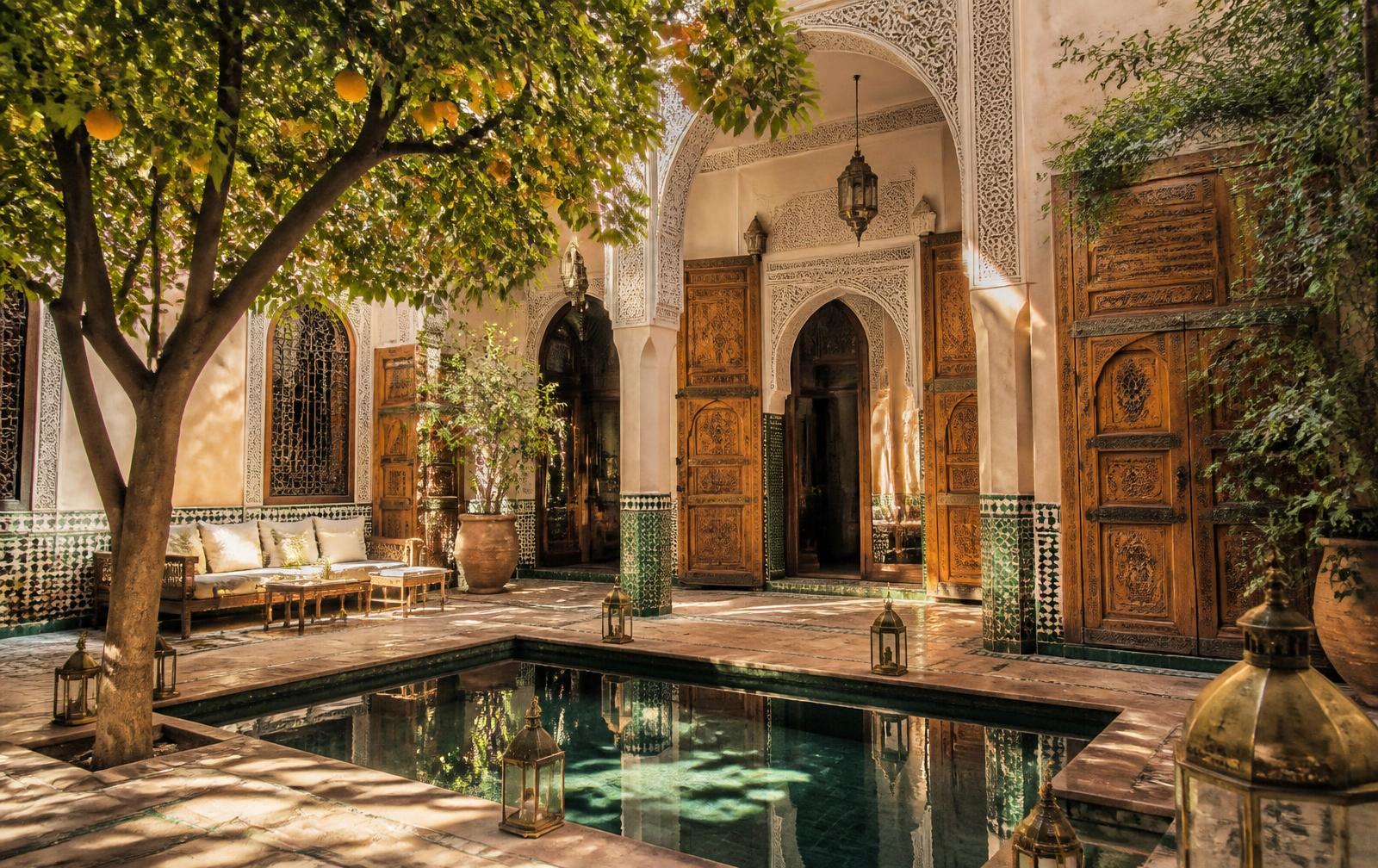
Marrakech unsettles first-time visitors less than they expect and more than they admit. The medina is dense, insistent and entirely navigable once you know how it behaves.
Bargaining in the souks is a conversation, not a contest. A price is offered, you counter well below it, and you meet somewhere in the middle over a few minutes. Walking away is an accepted move, not an insult. If you have no intention of buying, it is kinder to say so early than to negotiate for sport.
Guides appear unbidden. Unofficial ones will offer to walk you to a tannery or a workshop and expect payment, often more than you planned. Official guides carry a licence and can be arranged through your riad; it costs little and turns the medina from a maze into a city.
Photographs of people require permission, and in the main square performers charge for them. Ask, agree a small sum, then take the picture. Nobody objects to architecture, doorways or the light.
The call to prayer sounds five times a day, starting before dawn. Riads in the old city hear it clearly. It is not an inconvenience to be complained about at reception; if you sleep lightly, take a room off the street or stay out in the Palmeraie, where the nights are silent.
Dress is not policed, but the medina is a working neighbourhood rather than a resort. Covered shoulders and knees draw less attention, and Ramadan asks for more discretion again — eating and drinking in the street during daylight is best avoided in that month.
Alcohol is served in hotels, riads and licensed restaurants rather than in the souks. Fridays bring couscous and a slower city. Sunday is ordinary. And the single most useful sentence in Marrakech is a smiling "la, shukran" — no, thank you — delivered without slowing down.